
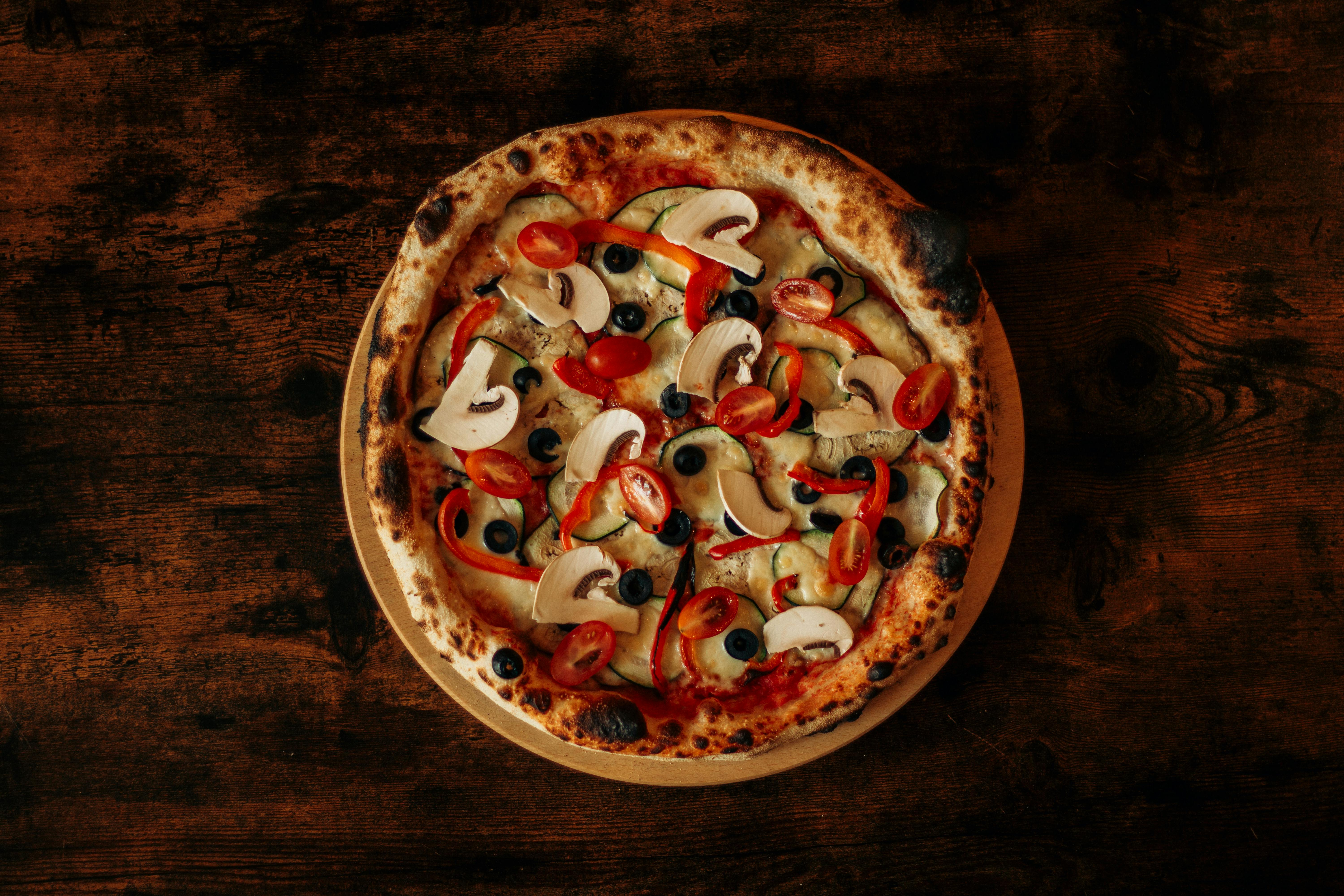
Vegetarian dishes that taste thin are usually missing depth rather than seasoning. Meat supplies that depth automatically, and without it the cook has to build it on purpose.
Savoury depth comes from specific compounds
The quality described as savouriness comes largely from glutamates and from certain nucleotides, which reinforce one another strongly when both are present.
Meat, and particularly slow-cooked meat and its stocks, releases both as proteins break down over time.
Removing meat removes a reliable source of both at once, which is why a straightforward substitution of vegetables into a meat dish rarely satisfies.
Plant sources exist but need seeking out
Several plant foods are rich in the same compounds, including tomatoes, mushrooms, fermented soy products, seaweeds and aged or fermented preparations generally.
Dried mushrooms are particularly concentrated, since drying removes water and leaves the savoury compounds behind at much higher density.
Combining sources from different groups produces a stronger effect than increasing any one of them, which is why these ingredients tend to appear together.
Browning generates depth that boiling cannot
Reactions between sugars and amino acids at high temperature create hundreds of new compounds, and they occur in vegetables as readily as in meat.
Roasting, searing and long slow browning of onions all produce this, and the flavour they generate did not exist in the raw ingredient.
A vegetarian dish where everything was simmered has skipped the step that would have supplied most of its complexity.
Fermentation and ageing concentrate flavour
Fermented ingredients have had proteins broken down by microorganisms, which produces the same free amino acids that long meat cooking releases.
Small quantities of such ingredients therefore contribute out of proportion to their volume, working as seasonings rather than as components.
Aged cheeses operate the same way for those who eat them, which is why a small amount transforms a dish that seemed flat.
Layering matters more than any single addition
Depth in a finished dish is cumulative, built from several sources contributing at different stages rather than from one ingredient added at the end.
A base browned properly, a savoury ingredient cooked in early, and a fermented element added late produce a result none would achieve alone.
Which is why the successful vegetarian dishes in most traditions are ones designed as vegetarian from the start rather than adapted from something else.