
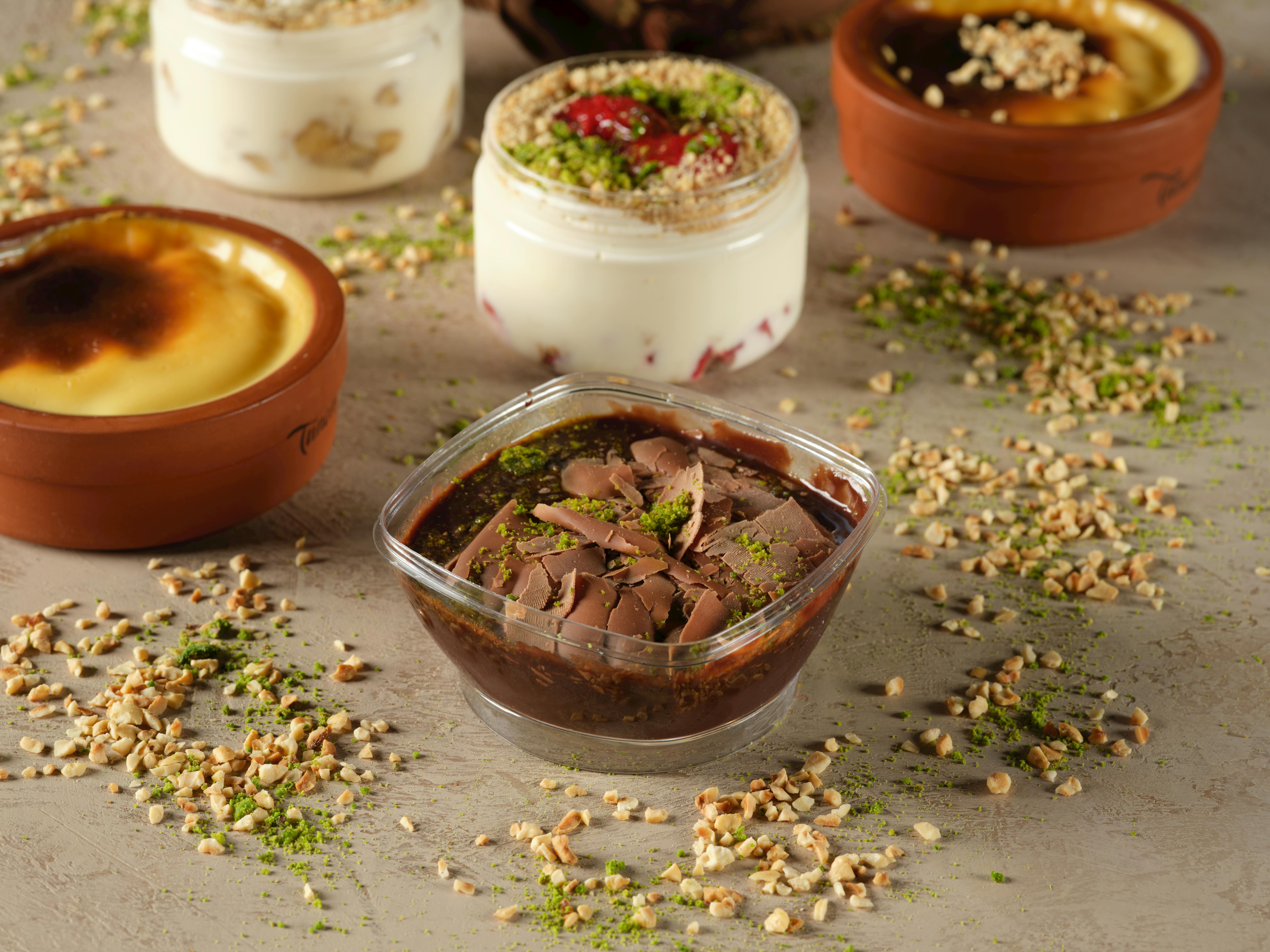
An American baker approaching Indian sweets usually expects flour, leavening and an oven. A large share of them are built from milk instead, and that changes what the finished sweet can be.
Flour builds a network, milk solids build a mass
Wheat flour forms gluten, a stretchy protein network that traps gas and gives baked goods their crumb and lift.
Milk solids have no such network. Once the water is driven off, what remains is protein, fat and sugar packed together with nothing holding air.
The result is dense and soft rather than airy, and it sets by cooling and by moisture level rather than by baking.
Reduction and curdling are the two routes
Simmering milk down concentrates its solids into a soft mass with a faintly caramelized flavor, since the milk sugars brown slowly over long heat.
Adding acid to hot milk instead separates curds from whey, and pressing those curds gives a fresh cheese used as the base of a different family of sweets.
Both start from the same carton and end up in textures that have no equivalent on an American dessert table.
Sweetness has to be added late
Sugar added early during reduction increases scorching, because it caramelizes against the pan bottom well before the milk has thickened.
Adding it toward the end, once the mass has formed, gives more control over both color and final texture.
Sugar also holds water, so the amount added changes how firm the sweet sets, which is why sweetness and texture cannot be adjusted independently here.
Milk choice matters in an American store
Reduction depends on fat and solids, so whole milk is the practical minimum and reduced-fat milk gives a thin, chalky result.
Ultra-pasteurized milk, common on US shelves, curdles less predictably for fresh-cheese making, and standard pasteurized whole milk is the more reliable choice.
Indian groceries sell ready-made reduced milk solids frozen, which is a legitimate shortcut and removes the long stirring that puts most people off.
Nothing here is baked
These sweets are cooked on the stove and set at room temperature or in a refrigerator, so an oven is optional in a way that surprises American cooks.
What replaces oven skill is pan skill: constant scraping of the bottom, judging thickness by how the mass pulls from the sides, and knowing when to stop.
Because milk scorches readily, a heavy pan and a flat-edged wooden spatula do more for the outcome than any recipe adjustment.