
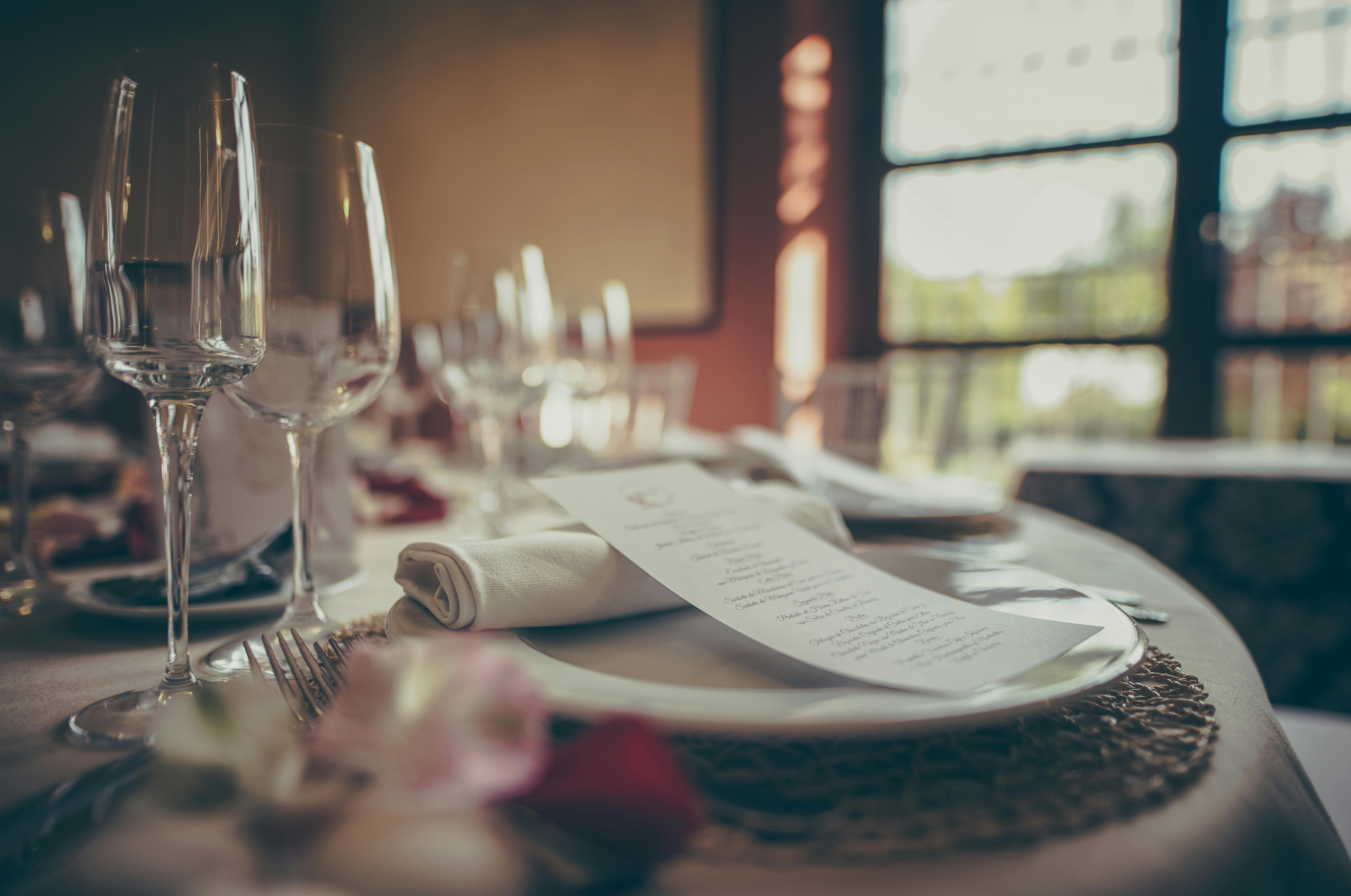
A restaurant that appears to have refreshed its menu has usually changed very little of what the kitchen cooks. The changes are typically to arrangement and language.
Changing a dish costs more than changing a page
A new dish requires recipe development, staff training, new suppliers or storage, and a period of inconsistency while the kitchen learns it.
Moving an existing dish to a different position on the page costs a printing run and nothing else, while producing a measurable change in how often it is ordered.
Given that difference in cost, restaurants under pressure reach for arrangement long before they reach for reinvention.
Position determines attention
Diners do not read menus evenly. Attention concentrates at the beginning of a section, at the end, and around anything visually separated from its neighbours.
Dishes placed in those positions are ordered more frequently regardless of their merits, which makes placement a direct lever on what the kitchen produces.
Restaurants generally place high-margin and easily executed dishes there, which is a sensible operational choice rather than a trick.
Description changes perceived value
Naming an ingredient's origin, its preparation or its variety raises what a diner expects the dish to be worth, without altering the dish.
Longer descriptions also slow reading, which increases the chance a dish is considered rather than skipped in a scan down the page.
The limit is credibility, since a description that promises more than the plate delivers produces disappointment that costs more than the extra orders gained.
Price presentation shifts the comparison
Prices are read relative to their neighbours, so an expensive dish placed nearby makes the ones around it appear more reasonable.
Removing currency symbols and aligning prices loosely rather than in a column reduces the tendency to scan by price and order the cheapest option.
None of this changes what anything costs, which is why the same menu can feel differently priced after a redesign.
Seasonal sections absorb the real changes
Where genuine change does happen, it is usually confined to a small section that can be altered without disturbing the rest of the operation.
That section carries the impression of a changing kitchen while the core dishes, which the staff execute reliably, remain in place.
Reading a menu with this in mind is useful, since the permanent list generally shows what a restaurant does well and the rotating part shows what it is trying.