
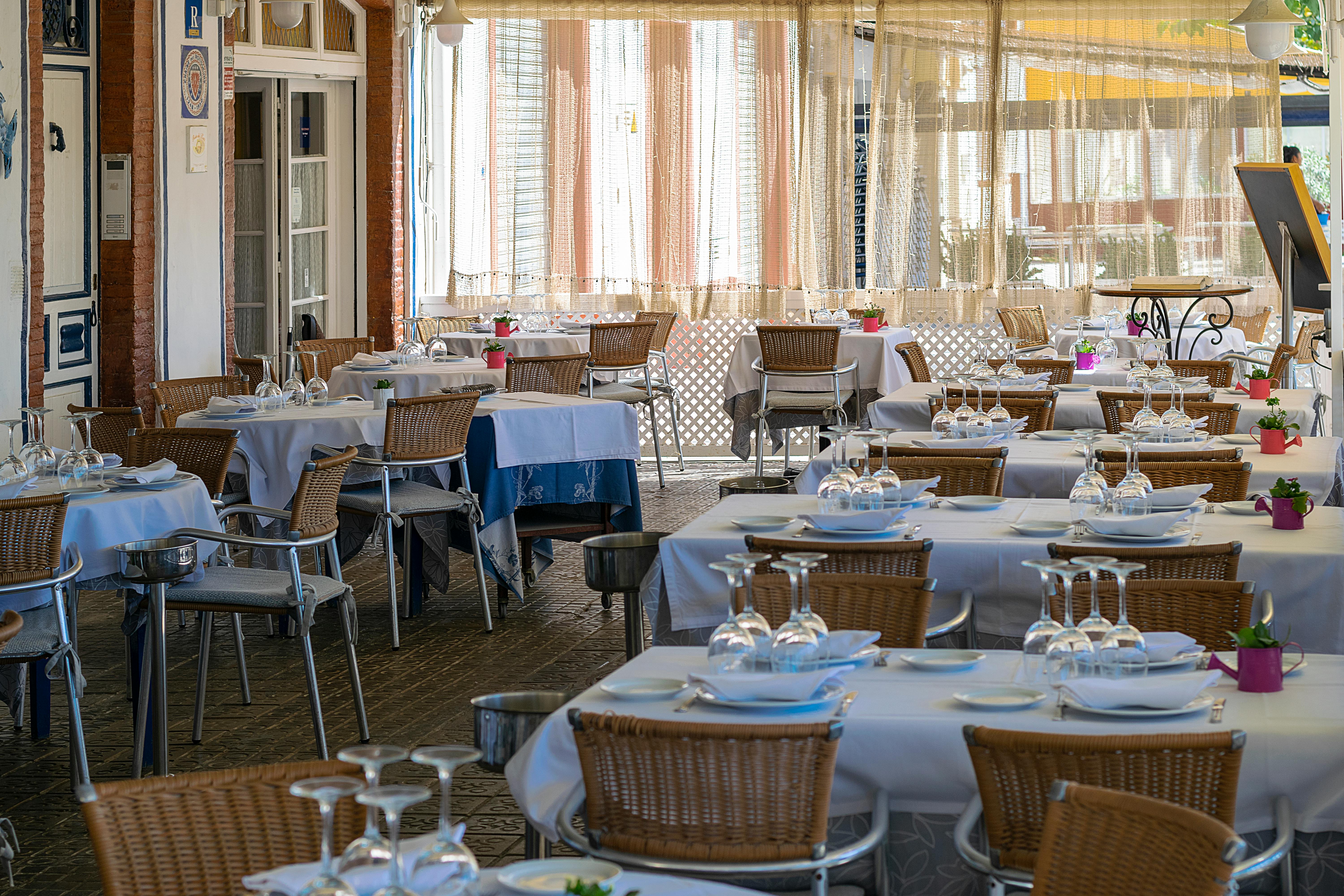
A restaurant dish that arrives in twelve minutes took several hours to make. Most of that work happened before the room opened, in a preparation system that diners never see.
Ticket time sets the constraint
Diners tolerate a fairly narrow window between ordering and eating, and that window is far shorter than most cooking processes require.
A braise needs hours, a stock needs longer, and a properly built sauce base cannot be produced between one order and the next while other tickets are landing.
The only way to reconcile the two is to move every slow step earlier, leaving only fast finishing work to happen once an order exists.
Preparation is organised by holding behaviour
Kitchens sort their tasks by how long each component survives once made, which decides when in the day it is produced.
Stocks, braises and confits are made days ahead and improve or hold steady; sauces and purées are made that morning; delicate garnishes are cut close to service.
Getting this wrong in either direction is costly, since something made too early degrades and something made too late is not ready when the room fills.
Partial cooking is a deliberate technique
Many components are cooked most of the way and stopped, then chilled and finished to order, which is a technique in its own right rather than a shortcut.
Vegetables blanched and cooled hold their colour and can be brought back to temperature in seconds, which would be impossible from raw.
The same logic applies to par-cooked starches, rested meats and pre-portioned doughs, all of which are engineered to have a fast final step.
The pass assembles rather than cooks
At the point of service, a plate is largely an assembly of components that already exist, brought to temperature and combined in a specific order.
This is why timing between dishes at a table can be coordinated to the minute, something that would be impossible if each were cooked independently from scratch.
It also explains why an off-menu request can be refused despite the ingredients being present, since the preparation it needs was not done that morning.
The system explains several diner observations
Dishes that taste better than the same recipe at home often do so because a component was made in a quantity and over a timescale a household cannot match.
Dishes that disappoint late in the evening frequently reflect a component prepared that morning and now at the end of its useful life.
And a restaurant that runs out of something at nine has not run out of ingredients but of preparation, which cannot be replaced during service.