
Juice and the fruit it came from are often treated as interchangeable, and nutritionally they are not. The difference lies in what juicing removes rather than what it adds.
Juicing removes the matrix, not the sugar
A piece of fruit is sugar and water held inside a structure of cell walls, fibre and pectin. Juicing breaks that structure and discards most of it.
The sugars survive the process almost entirely. What is lost is the scaffolding that was slowing their release.
So a glass of juice can carry the sugar of several pieces of fruit while requiring none of the chewing and none of the volume.
Fibre changes the pace of absorption
Soluble fibre thickens the contents of the gut and slows how quickly sugars reach the bloodstream. Insoluble fibre adds bulk that slows stomach emptying.
Remove both and the same sugars arrive faster, producing a sharper rise than the whole fruit would have caused.
This is a difference in timing rather than a difference in total energy, which is why comparisons based on calories alone miss the point.
Fullness is driven by volume and effort
Satiety responds to stretch in the stomach and to the time spent eating. Whole fruit delivers both, since it occupies space and takes minutes to chew.
Juice is swallowed in seconds and occupies less room once the fibre is gone, so the signals that would normally register a substantial intake are weaker.
Which is why juice tends to be added to a meal rather than to replace part of it, while an apple often displaces something else.
Processing choices matter more than labels
Cold-pressed, pasteurised and from-concentrate describe how the juice was extracted and stabilised, not how much structure survived. In most cases very little does.
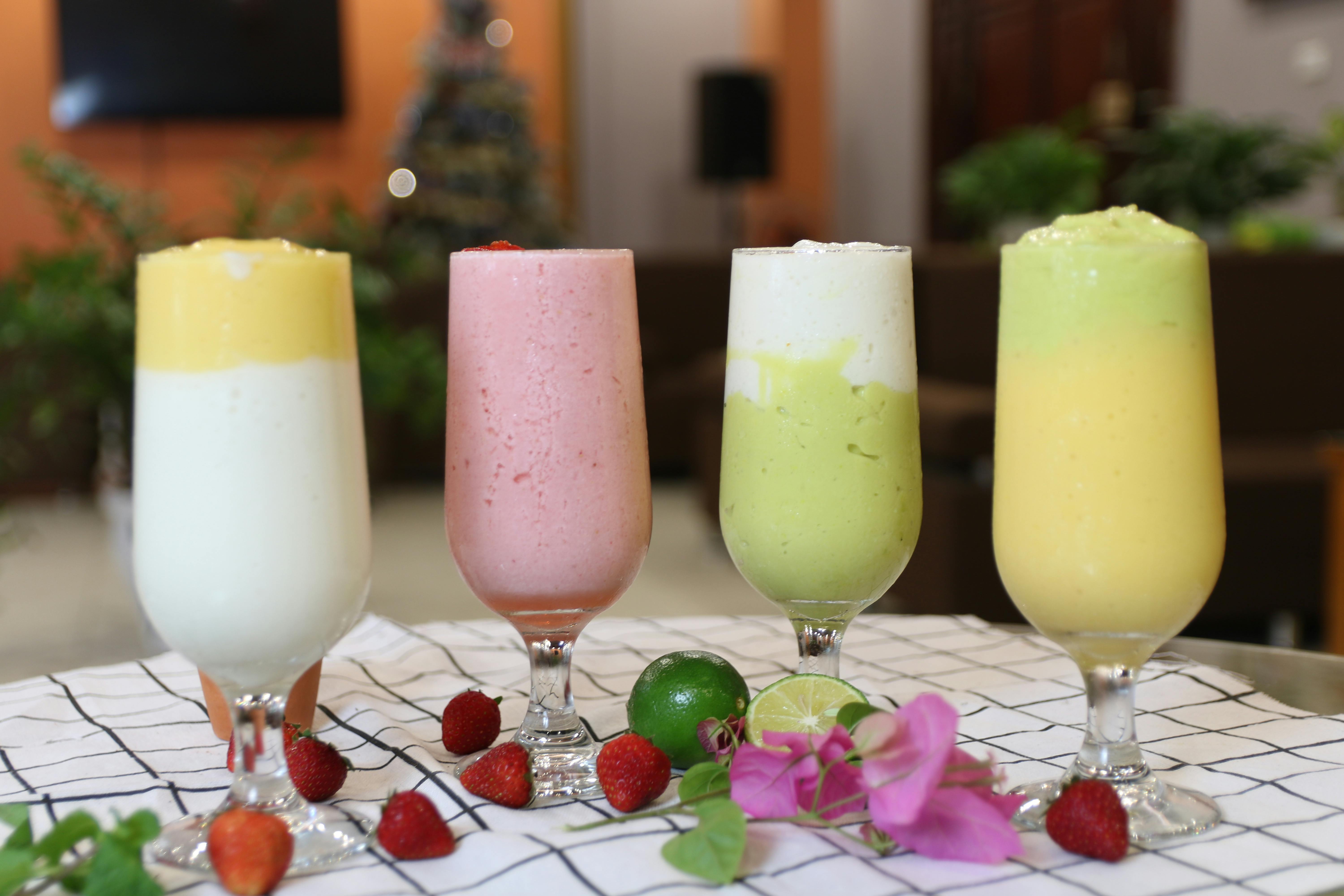
Blended fruit sits somewhere between the two, since blending ruptures cells but keeps the fibre in the glass rather than in a discard pile.
A smoothie is therefore closer to whole fruit than a juice is, though the mechanical damage still speeds absorption relative to eating the fruit intact.
Where juice still earns its place
Small quantities of juice work well as an ingredient, supplying acidity and aroma to dressings, marinades and braises where whole fruit would be unwieldy.
As a drink, treating it as a sweet rather than as a serving of fruit keeps the comparison honest without banning it outright.
The useful habit is noticing that the two are different foods that happen to share a name, and choosing between them on that basis.