
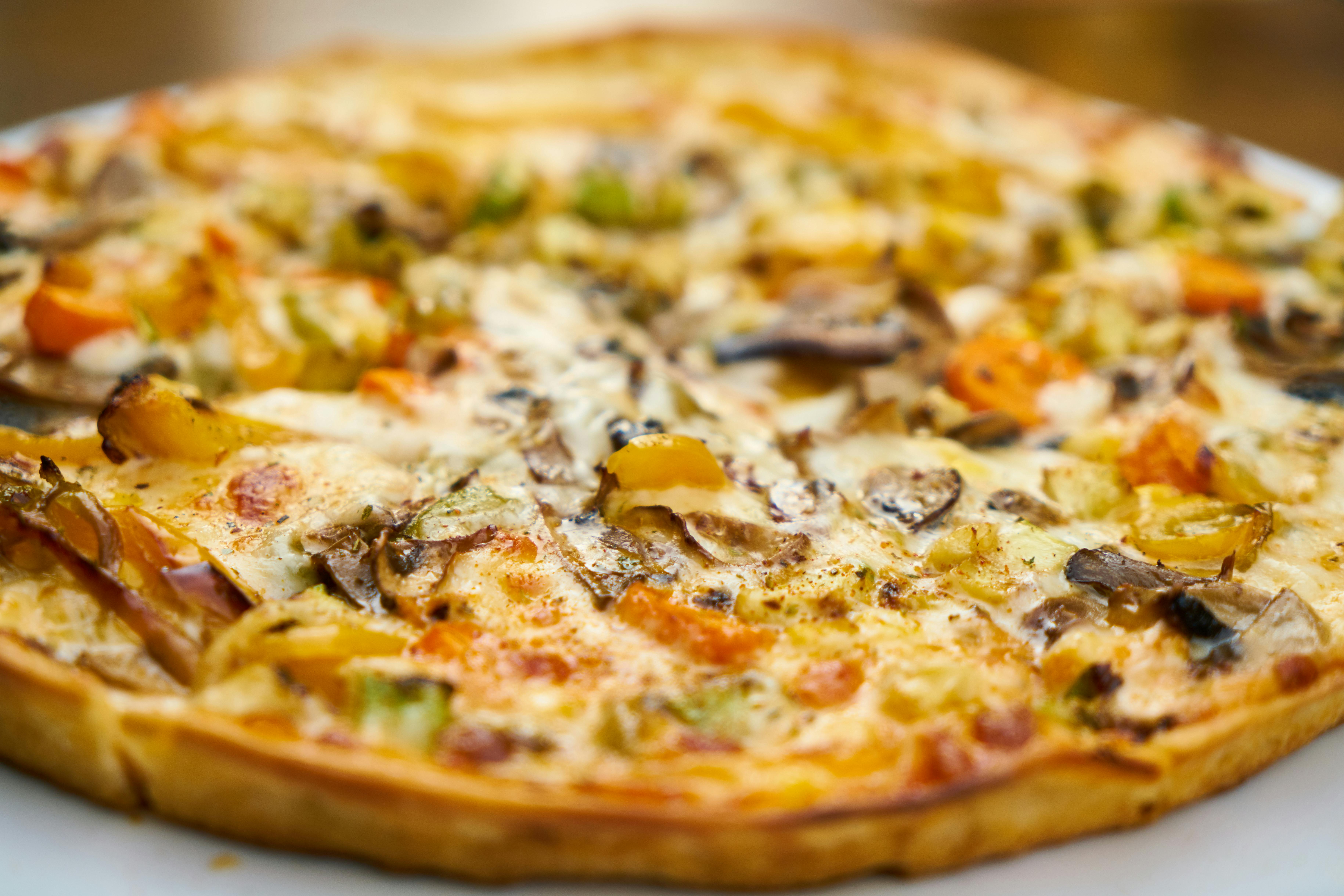
A vegetarian option in a restaurant working outside a vegetarian tradition is frequently disappointing in a specific and repeatable way. The problem is in how the dish was conceived.
Subtraction leaves a hole in the structure
The common approach is to take an existing dish and remove the meat, replacing it with a vegetable of similar size.
That removes the component supplying savoury depth, fat and structural contrast, and the substitute supplies none of the three.
The result is recognisably the original dish with its centre missing, which diners register as thinness even when they cannot name the cause.
Traditions built without meat solve this already
Cuisines with long vegetarian histories developed dishes whose depth comes from pulses, fermentation, dairy, browning and spice rather than from meat.
Those dishes were never designed around an absence, so nothing was removed and nothing needs replacing.
Which is why the best vegetarian eating in most cities is found in restaurants from such traditions rather than in the vegetarian section of others.
Kitchen economics push towards the easy answer
A dedicated vegetarian dish requires its own preparation, its own components and its own place in the morning's work, for a fraction of the orders.
Adapting an existing dish costs nothing in preparation, which makes it the rational choice for a kitchen carrying one meatless option out of obligation.
Restaurants that do it well generally build the dish from components already used elsewhere, so the preparation load stays reasonable.
Hidden animal ingredients complicate the question
Stocks, fish-derived seasonings, gelatine and certain cheeses appear in dishes that contain no visible meat, often without appearing on a menu description.
The point is not carelessness so much as different definitions, since a kitchen may consider a stock a background ingredient rather than a component.
Asking specifically about stock and about cheese rennet is more productive than asking whether a dish is vegetarian, which invites a general answer.
The signals worth reading on a menu
A menu with several vegetarian dishes distributed through its sections indicates a kitchen that thought about them, rather than one that added a line at the end.
Dishes named for their vegetables rather than described as a version of something else usually indicate the same thing.
And a restaurant whose staff can answer detailed questions about stock has generally considered the matter properly at some earlier point.