
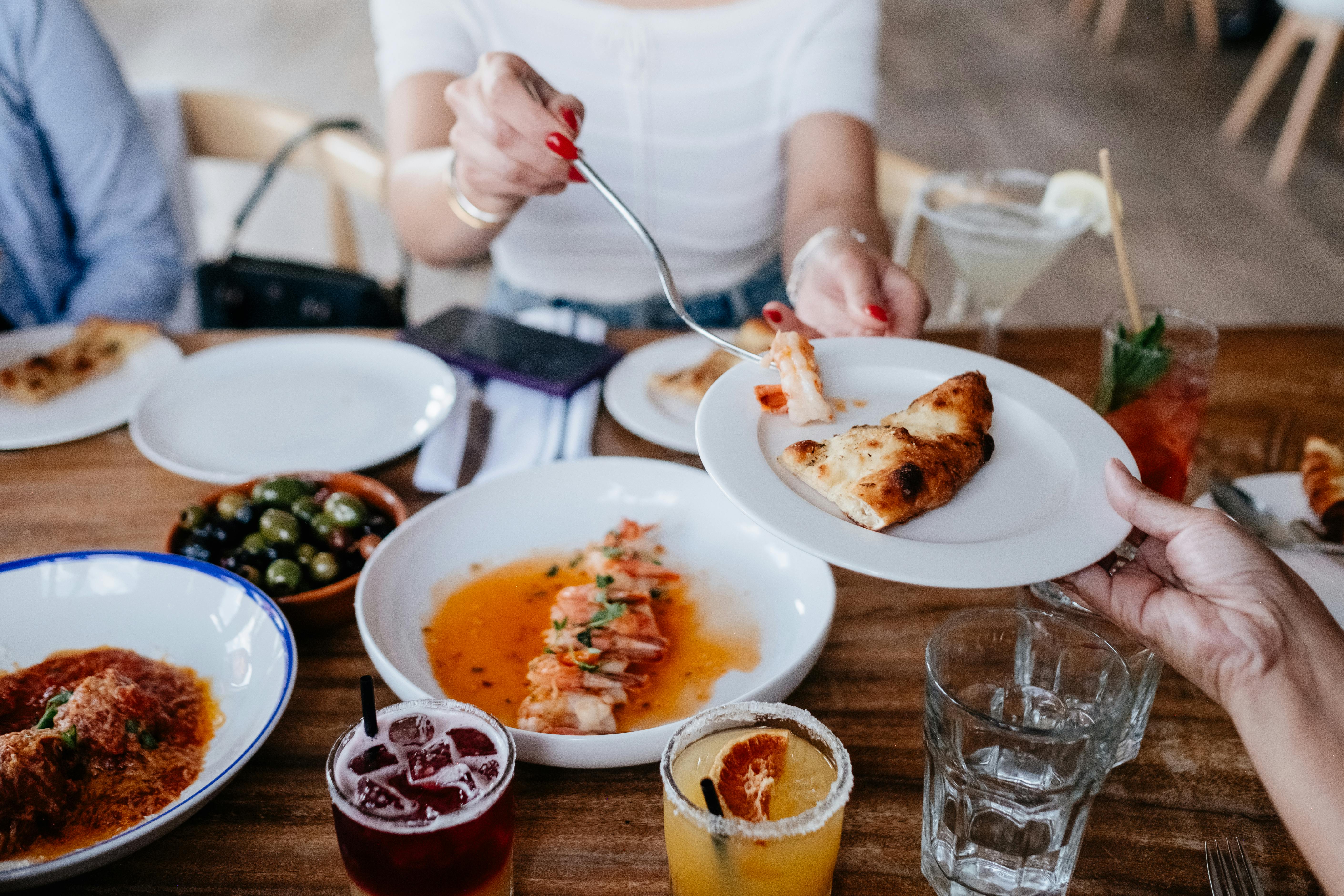
Have you ever stared down at your plate in a restaurant, a creeping sense of unease washing over you? That burger looks a little smaller, those fries fewer, the sauce just a smudge. You tell yourself it’s your imagination, but deep down, a nagging feeling persists: something isn't right. Your favorite meal feels like a shadow of its former self, yet the bill? Oh, that bill is bolder than ever. This isn't just inflation; it's a stealthy, silent predator lurking in the menus of your beloved eateries, quietly shrinking your portions while expanding the cost. It’s a dirty secret, and it’s happening right now, making your dining out experience less satisfying and your wallet surprisingly lighter.
🔥 What's Happening Right Now
In the bustling landscape of American dining, a subtle yet pervasive phenomenon is taking hold, one that’s silently eroding the value you expect from your hard-earned dollars: shrinkflation. While traditionally associated with grocery store aisles – a smaller bag of chips for the same price, a lighter carton of ice cream – this insidious tactic has now infiltrated the restaurant industry, becoming the dining out’s dirty secret. It’s not about overt price hikes on the menu; it’s far more cunning. Restaurants, squeezed by unprecedented inflation in ingredient costs, labor shortages, and rising operational expenses, are employing stealth tactics to maintain profit margins without explicitly raising prices to levels that might deter customers.
What does this look like on your plate? It's the once-generous helping of pasta that now barely covers the bottom of the bowl. It's the burger patty that seems to have shed a quarter of an inch in diameter, making your bun feel disproportionately large. It's the side of fries that used to overflow its container, now artfully arranged to look full but offering significantly fewer golden sticks. Even the garnish has been downsized, and the complimentary bread basket might suddenly contain one less roll. This isn't just anecdotal; consumers across the US are reporting these changes in everything from fast-casual chains to upscale bistros.
Consider the beloved "combo meal" at your go-to drive-thru. What once included a substantial drink and a large fry might now feature a medium drink and a smaller fry, all while the price either holds steady or sees a minor, almost imperceptible increase. The chicken wings you order? They might be smaller cuts, or fewer pieces for the same price. The dessert portion, once shareable, is now barely enough for one. Chefs and restaurant owners are becoming masters of visual deception, using larger plates to make smaller portions appear more substantial, or employing clever plating techniques to spread out fewer ingredients.
The motivation behind this covert strategy is understandable from a business perspective. Faced with the choice of raising menu prices significantly and risking customer backlash, or subtly reducing portion sizes, many establishments opt for the latter. It’s a gamble that preys on consumer inattention and the emotional connection we have to our favorite dishes. We remember the taste, the experience, but often fail to meticulously track the exact quantity of food over time. This makes shrinkflation a particularly effective, albeit ethically questionable, tool in their arsenal. The result for you, the diner, is a meal that leaves you less satisfied, less full, and often feeling like you didn't get your money's worth, even if you can't quite put your finger on why.
💡 Financial Impact
The insidious nature of dining out shrinkflation isn't just about feeling a little less full; it has a tangible, often significant, financial impact on American households. While the individual changes might seem minor – a few less fries here, a slightly smaller chicken breast there – their cumulative effect over weeks, months, and years can quietly drain your budget, making your dining experiences far more expensive per ounce than you realize.
Let's break down the hidden costs. When your portion size shrinks by, say, 10% but the price remains the same, you're effectively paying 10% more per unit of food. If your average restaurant meal costs $20, that's an extra $2 you're spending for the same amount of food you used to get. Dine out three times a week, and that's an additional $6 disappearing from your wallet without any added value. Over a month, that's $24; over a year, nearly $300. This might not sound like a catastrophic sum for a single individual, but consider families, or those who dine out more frequently, and the figures escalate rapidly.
This erosion of value hits particularly hard during periods of high inflation, like what the US economy has experienced recently. While wages might struggle to keep pace, the cost of living, including food, continues to climb. Shrinkflation in dining out means that even if you budget a certain amount for restaurant meals, you're getting less for that money, forcing you to either spend more to feel satisfied or accept a lower level of consumption. This impacts disposable income, leaving less for savings, entertainment, or other essential household expenses.
Beyond the direct financial hit, there's a psychological toll. The feeling of being subtly cheated or ripped off can lead to a loss of trust in restaurants and the wider food industry. Consumers become wary, constantly scrutinizing their plates, which detracts from the enjoyment of dining out. This eroded trust can lead to a shift in consumer behavior, pushing people away from restaurants and towards alternatives where they feel they have more control over value and portion size. This shift, while potentially negative for the restaurant industry, represents an opportunity for consumers to reclaim control over their food budget and dining experience.
The financial impact of shrinkflation isn't just about the immediate transaction; it's about the long-term strain on household budgets and the overall perception of value in a market where every dollar counts. Understanding this "dirty secret" empowers you to make more informed choices, pushing back against a trend that quietly makes your meals smaller and your bills bigger, all while diminishing your dining pleasure.
💰 Best Options in Comparison
Navigating the treacherous waters of dining out shrinkflation requires a strategic approach to ensure you're getting the best value for your money. While the allure of convenience is strong, being aware of the industry's "dirty secret" can empower you to make smarter choices that benefit both your satisfaction and your wallet. Here are some of the best options in comparison, designed to help you reclaim control over your dining experience and your budget.
-
Option 1: Embrace Home Cooking and Meal Prep
This is arguably the most powerful antidote to shrinkflation. When you cook at home, you are the master of your portions, ingredients, and costs. You decide how much protein goes into your stir-fry, how many vegetables fill your plate, and the quality of every component. Preparing meals in advance for the week not only saves money but also time and mental energy. Buying ingredients in bulk, taking advantage of seasonal produce sales, and cooking larger batches of staples like grains or sauces can drastically reduce your per-meal cost. Think about it: a single restaurant burger, now potentially smaller, can cost as much as the ingredients for several homemade burgers, complete with all the fixings and a generous side. This option offers unparalleled control and value.
-
Option 2: Become a Savvy Restaurant Diner
If dining out is a non-negotiable part of your lifestyle, then adopting smart strategies is key. Focus on restaurants known for transparent pricing and consistent portion sizes, or those that explicitly market value. Lunch specials often offer better value than dinner menus for similar dishes. Consider sharing entrees, especially at places known for larger portions, and supplement with an appetizer or side. Don't hesitate to ask about portion sizes or if a dish can be customized. Look for places that offer "all-you-can-eat" options (though be wary of quality tradeoffs) or family-style platters that genuinely offer more food for the price. Always check recent reviews for mentions of portion changes or value complaints. Opting for water instead of expensive beverages can also significantly reduce your bill.
-
Option 3: Strategic Takeout and DIY Complements
For those who rely on takeout or delivery, there are still ways to combat shrinkflation. Order main dishes from restaurants and prepare your own sides at home. For example, order a family-sized entree and cook your own rice, pasta, or vegetables to stretch the meal further and control the portion of the cheaper components. This allows you to enjoy restaurant-quality main courses without falling victim to shrunken sides or inflated beverage prices. Also, consider ordering directly from the restaurant (if they have their own online system) rather than third-party apps, which often add extra fees and can sometimes lead to smaller portions due to commission structures.
To further illustrate the stark differences, let's look at a comparative breakdown:
| Category | Average Cost (per meal) | Portion Control | Quality Control | Overall Value |
|---|---|---|---|---|
| Dining Out (Shrinkflated) | $15 - $30+ | Low (determined by restaurant) | Medium (inconsistent) | Low (less food for more money) |
| Home Cooked Meals | $3 - $8 | High (fully customizable) | High (you choose ingredients) | Very High (maximum control & savings) |
| Smart Casual Dining | $10 - $25 | Medium (strategic ordering) | Medium-High (research required) | Medium (better than average, but still external control) |
This comparison clearly highlights that while dining out offers convenience and experience, home cooking unequivocally provides the most control over cost, portion size, and ingredient quality, making it the ultimate defense against the hidden costs of shrinkflation. By consciously choosing to cook more at home, or by being a more discerning diner, you can ensure your meals are satisfying, your budget is respected, and you're not falling victim to the industry's unspoken secret.
Conclusion
The "dirty secret" of dining out shrinkflation is no longer a whisper; it's a phenomenon impacting millions of Americans, quietly making our meals smaller and our bills bigger. From the slightly less generous burger to the fewer fries on the side, restaurants, grappling with soaring operational costs, have found a subtle way to maintain their margins at the consumer's expense. This isn't just about a few cents here or there; it's about a widespread erosion of value that chips away at our hard-earned money and diminishes the satisfaction we derive from a meal out.
The financial impact is undeniable, turning what was once an affordable treat into a stealthy budget drain. The psychological toll, the feeling of being unknowingly shortchanged, further complicates our relationship with an industry built on experience and hospitality. However, understanding this trend is the first crucial step towards empowerment. You are not helpless in the face of these changes.
The power to combat shrinkflation lies squarely in your hands. By embracing home cooking and meal preparation, you reclaim complete control over your portions, ingredients, and ultimately, your budget. Imagine the satisfaction of a generous, delicious meal prepared exactly to your liking, knowing you've saved a significant amount compared to a shrunken restaurant equivalent. For those cherished dining out moments, becoming a savvy consumer – researching restaurants, choosing value-focused options, and strategically ordering – can significantly mitigate the impact of these hidden cuts.
In an era where every dollar counts, being aware of these subtle shifts in the dining landscape is more important than ever. Don't let the restaurant industry's "dirty secret" dictate your dining experience or your financial well-being. Arm yourself with knowledge, make informed choices, and champion alternatives that truly deliver on value and satisfaction. Your plate, your wallet, and your peace of mind will thank you for it. It's time to demand more for your money and ensure your meals, whether at home or out, are truly satisfying and worth every penny.