
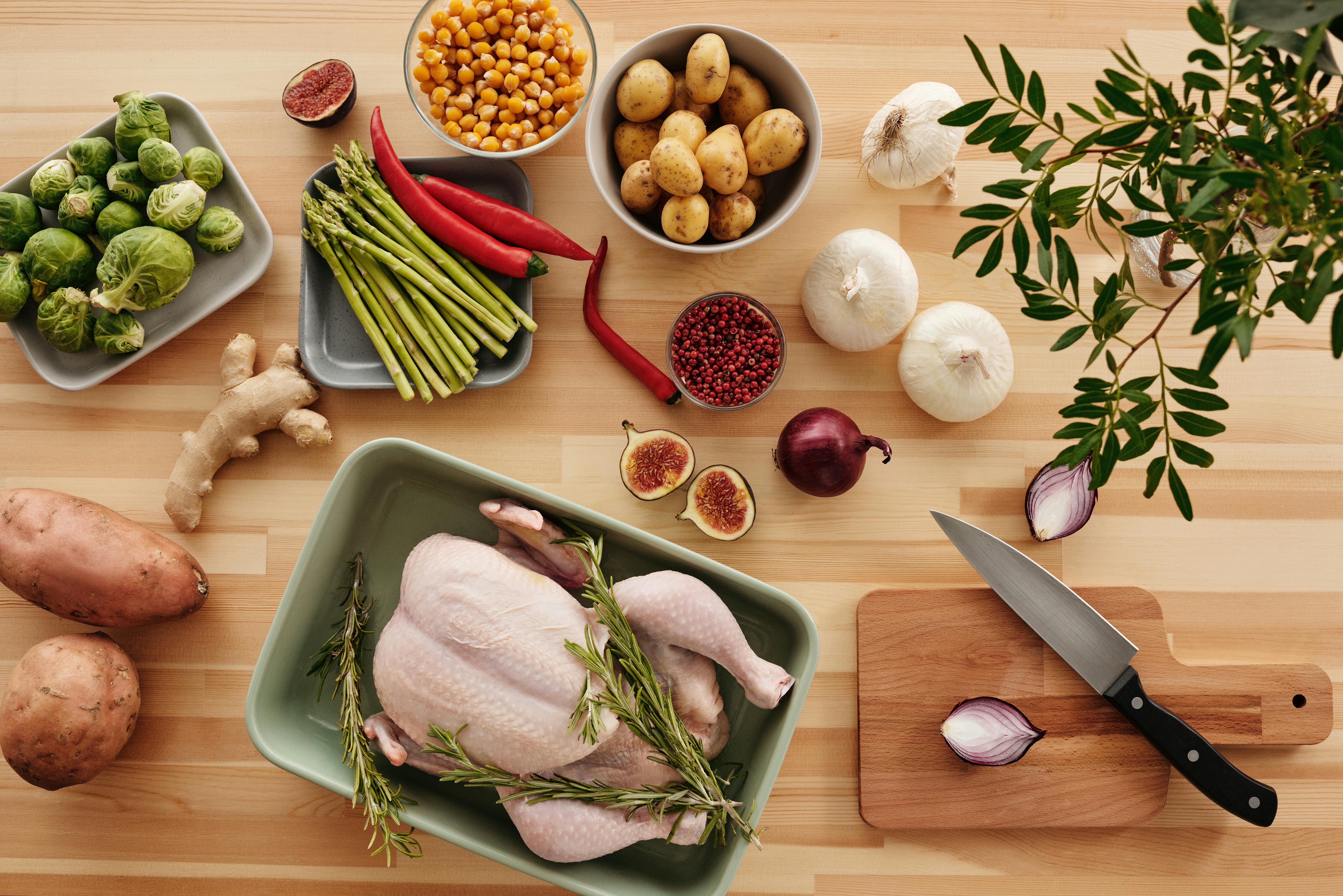
The step that makes Indian cooking feel long is rarely the dish itself. It is the twenty to forty minutes of browning aromatics that comes first, and it can be moved to a different day entirely.
The base is where the time actually goes
Sliced onions need real time over moderate heat to break down and brown, and rushing produces a raw sweetness that stays in the finished dish.
Ginger and garlic then need their own cooking to lose their sharpness, and tomato needs to reduce until the fat separates from the mixture.
Everything after that is comparatively fast, which is why a dish described as a thirty-minute curry is honest only if the base already exists.
Batch cooking multiplies badly and helpfully
Doubling a base does not double the time, since the limiting factor is evaporation from the pan surface rather than the amount of onion.
A wide pan or a large Dutch oven, both standard in American kitchens, handles a batch of several meals' worth in not much more time than one.
The main adjustment is patience with the water: a bigger load releases more liquid, and the browning cannot start until that has gone.
Storing it so it stays usable
Cooled portions in small containers or a muffin tray frozen and transferred to a bag give single-meal units that thaw in minutes.
Refrigerated bases are a short-term proposition and should be treated like any cooked vegetable dish. The USDA publishes guidance on refrigerated storage of cooked foods and on cooling them promptly.
Freezing is the more forgiving route, and a base freezes well because it is already reduced and carries enough fat to protect its texture.
What to leave out of the base
Ground spices are better added at cooking time, since their aroma fades in storage and they cost seconds rather than minutes to bloom.
Salt is also better left until the final dish, because the base will be diluted differently depending on what it becomes.
Cream, yogurt and fresh herbs all belong at the end. They separate, sour or go dull through a freeze, and none of them are the slow part.
One base, several different dinners
The same portion becomes a lentil dish, a vegetable curry or a braise depending on what is added, which is why this beats prepping finished meals.
Variation comes from the spices, the fat and the finish rather than from the base, so eating the same prep four nights running does not taste repetitive.
That flexibility is the practical argument for prepping a component instead of a container of complete dinners nobody wants by Thursday.