


Have you ever finished a big plate of dal-chawal and still felt hungry an hour later? Or dragged yourself through the afternoon with zero energy after a “normal” Indian lunch?
You’re not alone. In 2026, millions of Indians are quietly shifting their plates — swapping heavy carb-loaded meals for versions packed with real protein. And no, it’s not about boring salads or expensive imported powders. It’s about making our everyday khana smarter, tastier, and more filling.
High-protein Indian meals have moved from gym bro territory to family dinner tables. People are posting their paneer bhurji bowls, soya matar sabzis, and loaded moong dal chillas like never before. The best part? These dishes still taste like home.
So what’s really driving this shift, and which recipes are winning hearts (and Instagram feeds) right now?
Why High-Protein Indian Meals Suddenly Feel Everywhere
Walk into any urban kitchen today and you’ll notice something different. The pressure cooker still whistles, but the focus has changed.
Traditional Indian diets lean heavily on rice, roti, and potatoes. Studies show many of us get only about 12% of calories from protein — way below global standards. That gap leaves people tired, craving snacks, and struggling with weight or muscle loss as they age.
Now, with rising awareness around fitness, longevity, and even everyday energy, protein has become the quiet hero. Social media, fitness influencers, and even busy professionals juggling work and health are demanding meals that satisfy longer and support their bodies better.
The surprising part? We don’t need to invent new cuisines. Our grandmothers’ ingredients — paneer, dals, chana, soya, sprouts — were always protein powerhouses. We’re just using them smarter in 2026.
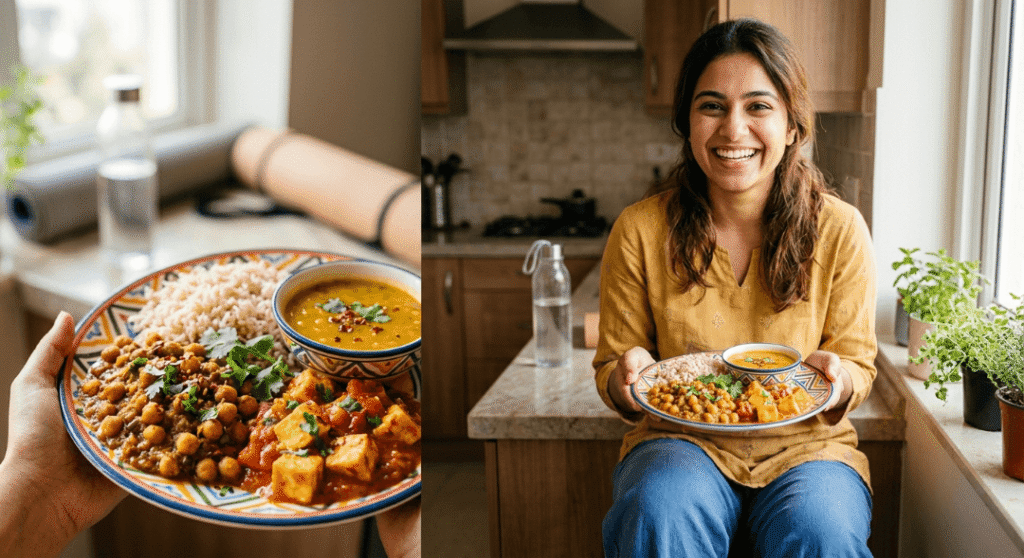
Did you know a simple 100g of cooked chana masala can deliver around 15-19g of protein? Or that soya chunks, when spiced right, can hit over 50g protein per 100g dry weight? That’s game-changing for vegetarians who once relied mostly on dairy or lentils.
The Real Reasons This Trend Is Here to Stay
This isn’t a fleeting diet fad. Several things are colliding in 2026:
- More people hitting the gym or walking daily want muscle support without bland food.
- Women, especially, are prioritizing protein for hormonal balance, satiety, and bone health.
- Urban professionals want quick meals that prevent the 4 PM slump.
- Parents are looking for ways to make kids’ plates more nutritious without fights.
Plus, the “protein gap” conversation is finally loud. Experts keep reminding us that low protein can slow metabolism and make fat loss harder, even when calories are controlled.
The emotional side hits hard too. Who doesn’t want to feel strong, energetic, and proud of what’s on their plate? high-protein Indian meals
What Everyone Is Actually Cooking Right Now
Here’s the honest list — the dishes popping up in home kitchens and reels across India in 2026. high-protein Indian meals
Soya Matar Sabzi and Soya Chunk Masala Soya chunks (or nutri) have become the ultimate comeback ingredient. Cheap, shelf-stable, and insanely high in protein. Home cooks are tossing them into matar gravy, achari masala, or even biryani-style pulao. One bowl easily crosses 25-30g protein. The texture absorbs spices beautifully, and kids often don’t even notice they’re eating “health food.”
Paneer-Based Upgrades Paneer bhurji gets a protein boost with added veggies, sprouts, or crumbled tofu. Grilled tandoori paneer with sautéed vegetables or paneer tikka bowls with beetroot raita are weeknight favorites. People are ditching heavy cream gravies for lighter yogurt or tomato-based versions that still feel indulgent.
High-Protein Dals and Mixed Lentil Curries Simple dal gets upgraded with extra moong, masoor, or chana dal. Many are adding a handful of soya granules or roasted peanuts for crunch and protein. Red lentil dal or mixed dal soya curry in one pot has become a meal-prep superstar — 20-25g protein per serving and ready in under 30 minutes.
Chilla and Cheela Variations Moong dal chilla stuffed with paneer or tofu is everywhere. Besan chilla with veggies and a side of curd delivers solid protein with minimal effort. Breakfast or dinner — it works. Two chillas can easily give 25-30g protein while keeping calories reasonable.
Chana Masala and Sprout Salads Classic chana masala remains a staple, often paired with brown rice or millet roti. Sprouted moong or mixed sprouts get turned into quick chaat-style salads with onions, tomatoes, and lemon — light yet surprisingly filling.
Egg and Chicken Twists for Non-Veg Households Palak egg curry, chicken vegetable soup, or masala soya chunks with chicken pieces are popular hybrids. Even tandoori chicken gets lighter makeovers without losing flavor. high-protein Indian meals
These aren’t complicated restaurant-style dishes. Most use one-pot methods, pressure cookers, or air fryers — perfect for busy 2026 lifestyles.
Why These Meals Actually Work Better Than Old Favorites
Let’s be real. Traditional comfort food feels good in the moment but often leaves you crashing later. High-protein versions change that.
Protein keeps you full longer because it slows digestion. It also supports muscle repair, steady blood sugar, and even better sleep when balanced right.
The flavor advantage is huge. Indian spices — turmeric, cumin, garam masala, chili — make protein sources taste exciting instead of chalky or plain.
Vegetarians especially benefit. Combining dals with grains or adding dairy/ soya creates complete proteins with all essential amino acids. No need for supplements if you plan thoughtfully.
Here’s a quick real-world example: A working mom in Mumbai shared how switching her family’s dinner from plain dal-rice to soya-paneer bhurji with roti cut her evening snack cravings dramatically. Her kids stopped asking for biscuits, and she felt more energetic for her evening walks. high-protein Indian meals
Pros and Cons — Keeping It Balanced
The Good:
- Better satiety and fewer cravings
- Supports weight management and muscle maintenance
- Uses affordable, local ingredients
- Endless flavor variations so you never get bored
- Family-friendly and culturally familiar
The Realistic Side:
- Some high-protein ingredients like soya need proper cooking to taste good (soaking and spicing well is key).
- Overdoing protein without enough veggies or fiber can affect digestion for some.
- Kidney concerns exist if intake goes extremely high without medical advice — balance is everything.
- Paneer and dairy can be calorie-dense if portions aren’t watched.
The smart approach? Aim for 20-30g protein per main meal, spread across the day, and pair with plenty of vegetables and whole grains.
Easy Ways to Make Your Indian Meals Higher in Protein Today
Start small. You don’t need to overhaul everything.
- Add a protein source to every meal — paneer, dal, sprouts, soya, eggs, or curd.
- Upgrade breakfast: Swap plain poha for moong dal + veggie poha or chilla.
- Use soya granules in keema-style dishes or as a dal mixer.
- Roast chickpeas or sprouts for crunchy snacks instead of namkeen.
- Try one-pot recipes: Mixed dal with soya and veggies saves time and boosts nutrition.
Pro tip: Keep boiled chana or soaked soya chunks ready in the fridge. They become instant add-ons to any sabzi. high-protein Indian meals
What’s Next for High-Protein Indian Cooking in the Coming Months
Over the next 3-6 months, expect more fusion twists — think ragi dosa stuffed with spiced paneer, millet khichdi loaded with lentils and sprouts, or air-fried protein-packed snacks for monsoon munchies. high-protein Indian meals
Brands are launching protein-enriched atta and ready mixes, but home cooks are leading with creativity. The focus will stay on taste first, nutrition second.
As awareness grows around sarcopenia (age-related muscle loss) and metabolic health, even older family members might start asking for these upgraded versions.
The trend feels sustainable because it respects our roots while solving modern problems.
How This Shift Is Changing How We Feel About Food
There’s something emotional about eating food that nourishes you properly. It’s not restriction — it’s empowerment.
When your meal keeps you satisfied till the next one, you feel in control. When your kids eat happily and ask for seconds of something healthy, there’s quiet pride.
High-protein Indian meals in 2026 aren’t about perfection. They’re about progress — one flavorful plate at a time.
So next time you’re planning dinner, ask yourself: How can I add just a little more protein here without losing the soul of the dish?
Your body — and your taste buds — will thank you.
FAQs
1. Are high-protein Indian meals suitable for vegetarians? Yes, absolutely. Paneer, dals, soya chunks, sprouts, and besan offer plenty of options. Combining them smartly gives complete nutrition without meat.
2. How much protein should I aim for daily on an Indian diet? Most adults do well with 0.8–1g per kg body weight. Active people or those building muscle may need more. Spread it across meals rather than loading one.
3. Is soya chunks healthy to eat every day? In moderation, yes. Soak and cook properly, vary with other proteins like paneer or dals, and include plenty of vegetables for balance.
4. Can these meals help with weight loss? They can. Higher protein increases satiety, preserves muscle during calorie deficit, and reduces mindless snacking. Focus on portion control and whole ingredients.
5. What are quick high-protein Indian breakfast ideas? Moong dal chilla, paneer bhurji with veggies, sprouts poha, or Greek yogurt (or hung curd) with roasted chana and fruits work well and take under 15-20 minutes.